


New Low-Wage LMIA Rules: Advertising Period Doubled, Youth Recruitment Now Mandatory
Date Posted:April 10, 2026
Last Updated:April 10, 2026
Index
- 1 Advertising Period Extended from 4 to 8 Weeks
- 2 Mandatory Youth Targeted Recruitment Requirements
- 3 Examples of Acceptable Youth Recruitment Activities
- 4 Six-Year Record-Keeping Requirement
- 5 Background: Rising Youth Unemployment and Policy Shift
- 6 Recent LMIA-Related Policy Tightening
- 7 Message from Visa JP Canada to Employers and Applicants
As of April 1, 2026, there have been significant changes to the Labour Market Impact Assessment (LMIA) application requirements under the low-wage stream of Canada’s Temporary Foreign Worker Program (TFWP).
In addition to extending the job advertising period, the new rules introduce a mandatory requirement for employers to conduct targeted recruitment efforts toward youth.
Advertising Period Extended from 4 to 8 Weeks
Previously, employers were required to advertise job positions for a minimum of four weeks prior to submitting an LMIA application. Under the new rules, positions under the low-wage stream must now be advertised for at least eight consecutive weeks.
| Requirement | Details |
|---|---|
| Advertising period | Minimum of 8 weeks (doubled from 4 weeks) |
| Timing | Within 3 months prior to LMIA application (unchanged) |
| Recruitment activities | At least one of the three required methods must remain active until a decision is made (unchanged) |
This change significantly extends the lead time required before submitting an LMIA application, making it essential for employers to reassess and plan their recruitment timelines accordingly.
Mandatory Youth Targeted Recruitment Requirements
A key change introduced in this update is the requirement to actively recruit youth.
While the government has not formally defined “youth,” related programs generally consider individuals between the ages of 15 and 30.
Employers must now demonstrate that they have made sufficient efforts to provide employment opportunities to youth before hiring a foreign worker.
This requirement is separate from the existing obligation to target underrepresented groups and is now a distinct and mandatory component of LMIA recruitment efforts.
Examples of Acceptable Youth Recruitment Activities
The following are recognized as valid recruitment efforts targeting youth:
- Youth-focused job postings
Advertise positions on platforms such as Job Bank’s youth section, provincial or territorial youth employment programs, and post-secondary career centers, clearly encouraging youth to apply - Collaboration with educational institutions
Partner with high schools, colleges, and universities to reach students and recent graduates through co-op placements, internships, career fairs, and campus recruitment - Participation in recognized youth employment programs
Engage in government-supported programs such as Canada Summer Jobs - Community and non-profit outreach
Promote job opportunities through local community centers, youth organizations, and employment support agencies - Digital and social media outreach
Advertise positions on platforms popular among youth
The key consideration is whether the recruitment methods effectively reach youth audiences.
Six-Year Record-Keeping Requirement
Employers are also subject to the following obligations:
- Maintain records of all recruitment and advertising efforts for six years
- Provide documented results of recruitment efforts (e.g., number of applicants, outcomes)
In practice, employers must be able to demonstrate not only what actions were taken, but also the results of those efforts.
Background: Rising Youth Unemployment and Policy Shift
These changes are driven in part by growing concerns over youth unemployment in Canada.
- Ages 15–24: approximately 14.7% (September 2025)
- Ages 15–19: approximately 20.8%
In response, the government is shifting its policy focus toward prioritizing employment opportunities for young Canadians.
At the same time, the Temporary Foreign Worker Program has become a topic of political debate, with ongoing discussions around tightening and reforming the program.
Recent LMIA-Related Policy Tightening
This update is part of a broader trend of increased regulation in recent years, including:
- A moratorium on low-wage LMIA processing in regions with unemployment rates of 6% or higher
- Mandatory use of the Job Bank “Direct Apply” feature
- Reductions in the cap on low-wage positions
On the other hand, some flexibility has been introduced for rural employers. The cap on low-wage foreign workers has been increased from 10% to 15% (temporary measure until March 31, 2027).
Message from Visa JP Canada to Employers and Applicants
With these changes, careful advance planning is more important than ever for LMIA applications under the low-wage stream.
Please take note of the following key points:
- The minimum 8-week advertising period requires sufficient lead time before applying
- Youth-targeted recruitment is now mandatory, and traditional methods alone may no longer be sufficient
- It is important to utilize channels that effectively reach youth, such as Job Bank youth features and educational institutions
- Employers must maintain detailed records of both recruitment activities and their results for six years
In particular, LMIA assessments will now place increased emphasis not only on whether sufficient opportunities were provided to Canadian citizens and permanent residents, but also on whether youth were adequately targeted and considered.
Our firm provides support in structuring recruitment strategies that meet the latest requirements, as well as in planning LMIA application timelines. Please feel free to contact us if you have any questions.
Related Columns

Date Posted:March 18, 2026
Stricter Screening for the Significant Benefit Work Permit (C10), Including the Entrepreneur Work Permit| Policy Changes and Application Strategies

Date Posted:December 16, 2025
10 Critical Mistakes That Can Jeopardize Your PGWP Application— The 180-Day Rule and the Reality of Processing Delays

Date Posted:September 11, 2025
BC Premier Calls for Temporary Foreign Worker Program to Be Abolished or Fundamentally Reformed — Industry Pushback and What Lies Ahead

Related News
Looking to obtain permanent residence or a visa?
Consult with us now!
Applying for permanent residence or a visa to Canada on your own can be overwhelming due to the large number of required documents, and you may feel uncertain about whether everything is correct. However, if you're serious about immigrating to Canada, we strongly recommend seeking the support of an immigration consultant. There are many pathways to obtaining permanent residence, depending on factors such as your age, occupation, and family status. With the help of an expert, you can ensure that you plan the right approach tailored to your specific situation.
A professional immigration consultant will help solve your concerns
Get a free Counseling now
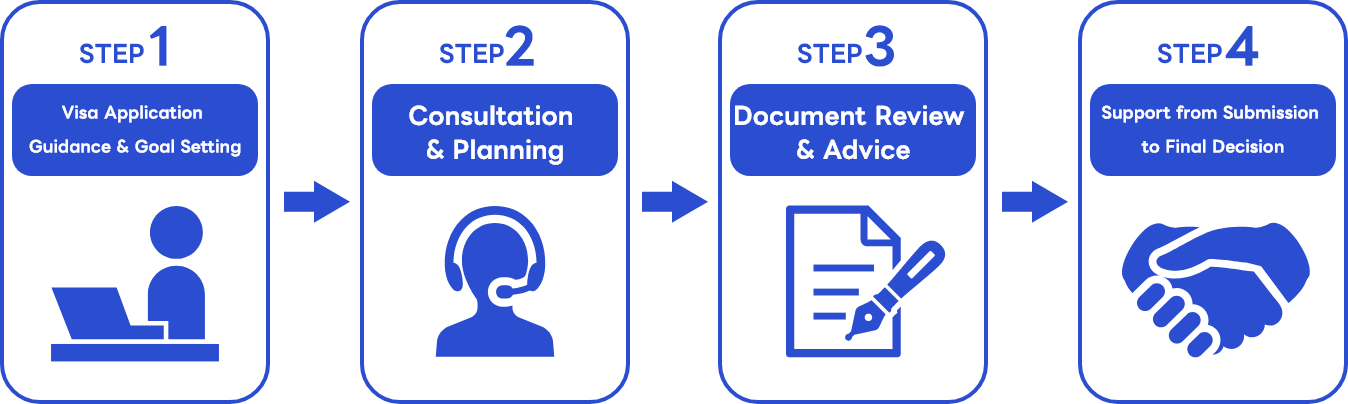
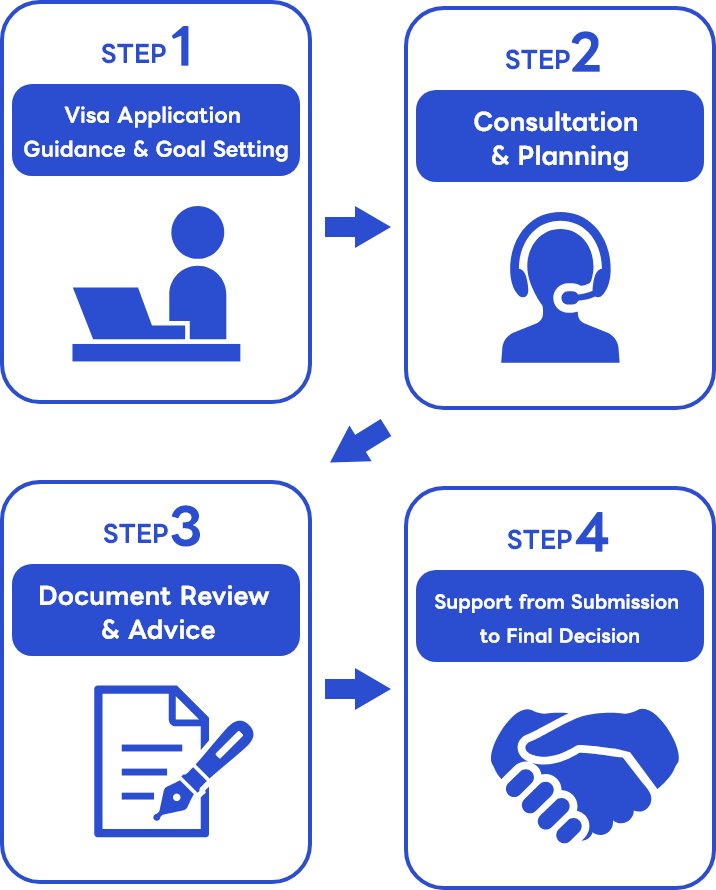
From immigration planning to application submission,
everything is completed with Visa JP Canada
Consulting with an immigration consultant makes the process clearer and much smoother. You’ll feel more confident with document submissions and procedures, significantly reducing the risk of mistakes. Take the first step toward your Canadian dream with the guidance of an expert.