


Stricter Screening for the Significant Benefit Work Permit (C10), Including the Entrepreneur Work Permit| Policy Changes and Application Strategies
Date Posted:March 18, 2026
Last Updated:March 18, 2026

Index
- 1 What is the Significant Benefit (C10) Work Permit?
- 2 Why Have the Rules Been Tightened?
- 3 Key Changes in 2026 (Most Important Points)
- 4 IRCC Evaluates Economic and Cultural Community Impacts
- 5 Practical Impact on Applications
- 6 Essential Elements Going Forward
- 7 Cases That May Become More Difficult
- 8 From a “Convenient Option” to a “Strategic Pathway”
- 9 Our Professional Advice
- 10 Summary
On February 24, 2026, IRCC updated its guidelines for the “Significant Benefit (C10)” category, one of the most well-known LMIA-exempt work permit streams. As a result, the assessment of C10 work permits—previously considered relatively flexible—has now clearly become more stringent.
In this article, we explain the fundamentals of the program, key changes, and the practical impact on future applications.
What is the Significant Benefit (C10) Work Permit?
Under section 205(a) of the Immigration and Refugee Protection Regulations (IRPR), the C10 category allows for the issuance of a work permit without a Labour Market Impact Assessment (LMIA) when:
“the employment of a foreign national in Canada would create significant social, cultural, or economic benefits.”
This category falls under the International Mobility Program.
Because it bypasses the LMIA process, which is often time-consuming and complex, it has been widely used by:
- Entrepreneurs
- Highly skilled professionals
- Artists
- Individuals with specialized expertise
Immigration, Refugees and Citizenship Canada (IRCC) maintains internal guidelines known as Program Delivery Instructions, which officers use to assess and make decisions on applications.
Why Have the Rules Been Tightened?
In recent years, IRCC has strengthened its policies around:
- Temporary resident levels (including work permits and study permits)
- Protection of the Canadian labour market
- Proper use of the LMIA system
As part of this broader policy direction, the C10 category has shifted from a relatively flexible pathway to one that emphasizes clear evidence and measurable impact.
Key Changes in 2026 (Most Important Points)
The background to these changes lies in IRCC’s broader efforts to limit the number of temporary residents, including work and study permit holders, while strengthening the protection of the Canadian labour market and ensuring the proper use of the LMIA system. Within this context, the approach to C10 applications has definitively shifted from a flexible operation to a strict assessment focused on concrete evidence and demonstrable impact.
1. Limited to “Exceptional Situations”
The updated guidelines clearly state that C10 should be used only in “unique or exceptional situations.”
In other words, this is no longer a convenient alternative to LMIA—it is now a narrowly applied exemption.
2. Higher Threshold for “Significant Benefit”
IRCC has clarified that benefits must extend beyond:
- The applicant
- Their dependents
- Their employer
Instead, the impact must reach the broader community, region, or Canada as a whole.
The key concept here is a “ripple effect.”
3. “Demonstrable” Impact is Required
Previously, providing training opportunities for Canadians could be sufficient.
Now, applicants must demonstrate:
- Creation of a significant number of jobs or training opportunities
- A measurable and provable impact
General or vague claims are no longer acceptable—applications must be supported by quantifiable evidence.
4. Necessity of the Individual in Canada
A newly emphasized factor is whether:
- The individual is essential to a specific event or activity
- There is a clear reason why this person, in particular, is needed
Being “highly skilled” alone is no longer sufficient—non-replaceability is now critical.
5. Negative Labour Market Impact Also Assessed
Officers are now instructed to consider whether the employment:
- Could displace Canadian workers
- Could negatively affect the labour market
This represents a significant practical shift in how applications are evaluated.
6. Impact Does Not Have to Be Nationwide
At the same time, IRCC clarifies that “significant” is a relative concept.
Impact does not need to be at the national level—benefits at the:
- Industry level
- Regional level
- Community level
may still qualify.
IRCC Evaluates Economic and Cultural Community Impacts
Economic Benefits
- Job creation (especially multiple positions)
- Regional or rural economic development
- Expansion of export markets
- Innovation and productivity improvements
Social and Cultural Benefits
- Contributions to healthcare or education
- Impact on arts and culture
- Improvements to public welfare
The common element is that benefits extend to third parties beyond the applicant and employer.
Practical Impact on Applications
The 2026 update clearly shifts C10 applications in the following direction:
Application Approach
- Narrative-based → ×
- Evidence-driven → ○
Essential Elements Going Forward
- Quantitative data (e.g., number of jobs, revenue projections)
- Third-party validation (e.g., reference letters, industry recognition)
- Market analysis
- Clear explanation of broader impact in Canada
Cases That May Become More Difficult
- Small-scale businesses
- Self-employment without broader impact
- Limited job creation
- Applications focused primarily on personal career development
From a “Convenient Option” to a “Strategic Pathway”
The C10 category has often been used as an alternative to LMIA.However, it is now evolving into a pathway where:
Only well-prepared, strategically structured applications will succeed.
Our Professional Advice
C10 work permits, including those for entrepreneurs, will become more challenging to obtain.
However, they remain a viable and powerful option when applications are properly designed.
The most critical factor is:
Clearly demonstrating what will change in Canada because of this individual’s presence.
At Visa JP Canada, we have extensive experience supporting C10 work permit applications, including for entrepreneurs. If you are considering applying, please feel free to contact us for professional assistance.
Summary
In short, the 2026 update marks a turning point:
The definition of “significant” is now being seriously enforced.
Key Takeaways
- C10 is limited to exceptional cases
- Benefits must extend broadly beyond the applicant
- Demonstrable evidence is essential
- Labour market impact is scrutinized
- Regional-level impact can still qualify
Related Columns
Related News
Looking to obtain permanent residence or a visa?
Consult with us now!

Applying for permanent residence or a visa to Canada on your own can be overwhelming due to the large number of required documents, and you may feel uncertain about whether everything is correct. However, if you're serious about immigrating to Canada, we strongly recommend seeking the support of an immigration consultant. There are many pathways to obtaining permanent residence, depending on factors such as your age, occupation, and family status. With the help of an expert, you can ensure that you plan the right approach tailored to your specific situation.
A professional immigration consultant will help solve your concerns
Get a free Counseling now
From immigration planning to application submission,
everything is completed with Visa JP Canada
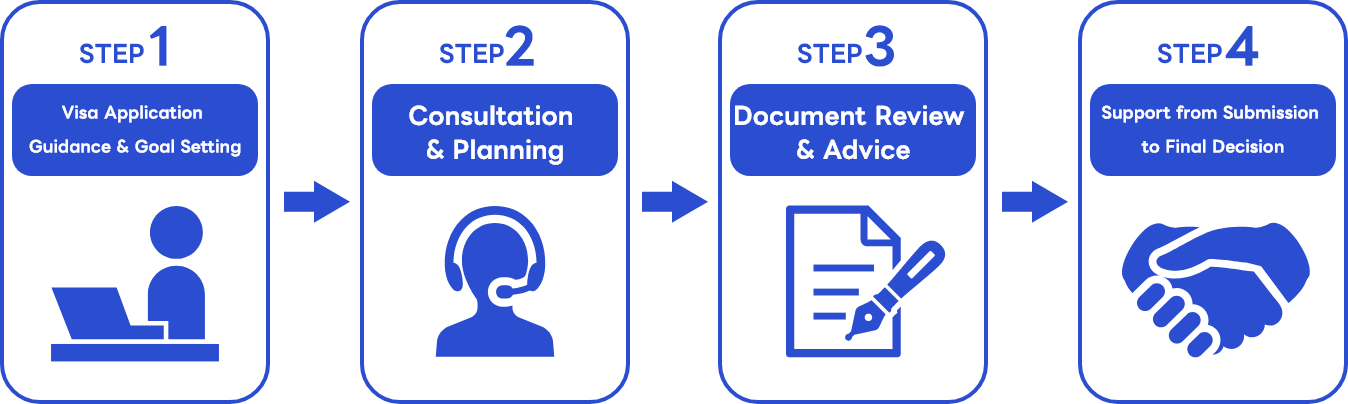
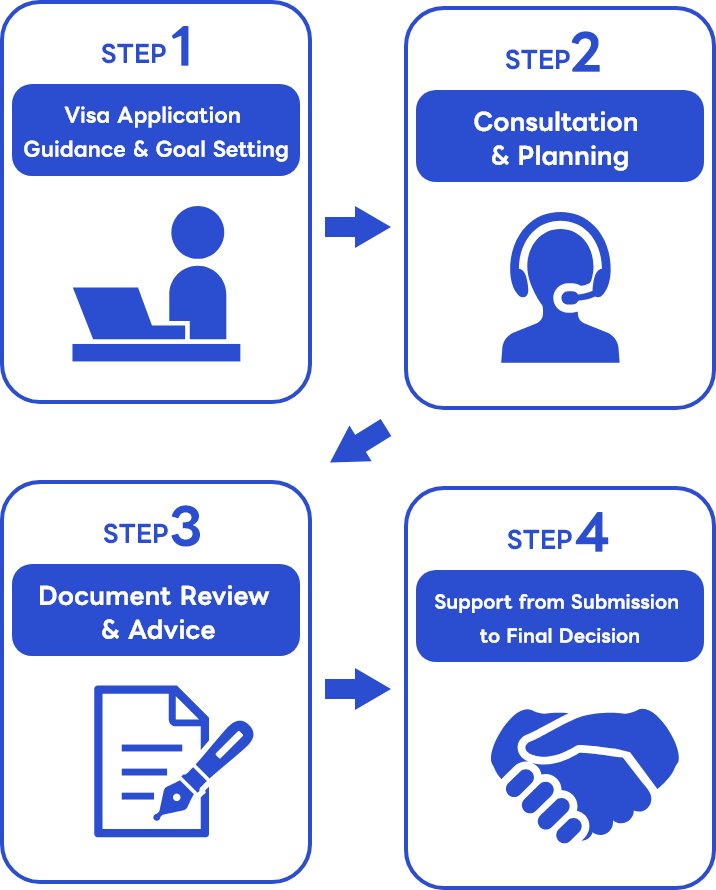
Consulting with an immigration consultant makes the process clearer and much smoother. You’ll feel more confident with document submissions and procedures, significantly reducing the risk of mistakes. Take the first step toward your Canadian dream with the guidance of an expert.
Free Counseling
Tag list
Popular Rankings

2025年10月3日
PNP and AIP Program Updates: Growing Restrictions Across Canadian Provinces (As of July 2025)
Index1 Nova Scotia2 Yukon3 New Brunswick4 British Columbia (BC)5 Northwest Territories6 Summary In 2

2025年8月21日
A New English Test for Permanent Residence Applications – TOEFL Essentials to Be Added
Index1 What is TOEFL Essentials?2 Which Immigration Programs Will Accept It?3 Important Note – Not Y

2025年12月16日
10 Critical Mistakes That Can Jeopardize Your PGWP Application— The 180-Day Rule and the Reality of Processing Delays
Index1 1. Completing a Program That Is Not PGWP-Eligible1.1 What to do2 2. Failing to Maintain Full-

2025年12月30日
Provincial Nominee Programs to Expand Significantly in 2026
Index1 2026 Nomination Allocation for British Columbia: 5,254 Nominations2 Why Is This Considered Mo