

Provincial Nominee Program Allocations Increase Significantly for 2026
Date Posted:April 9, 2026
Last Updated:September 24, 2026

Canada’s Provincial Nominee Program (PNP) allocations have expanded substantially for 2026.
The number of nominations allocated by the federal government to each province and territory has increased by approximately 31% compared to the levels announced at the beginning of 2025.
Provincial Nomination Allocations for 2026
The following are the major allocations announced so far:
| Province / Territory | Previous Quota | New Quota |
|---|---|---|
| Ontario | 10,750 | 14,119 |
| Alberta | 4,875 | 6,403 |
| Manitoba | 4,750 | 6,239 |
| British Columbia | 4,000 | 5,254 |
| Saskatchewan | 3,625 | 4,761 |
| Yukon | 215 | 282 |
| Northwest Territories | 150 | 197 |
Most provinces and territories have seen an increase of around 31%, reflecting a broad and balanced expansion across the country.
As of March 27, 2026, the following provinces have not yet publicly announced their official 2026 allocations:
- New Brunswick
- Nova Scotia
- Newfoundland and Labrador
- Prince Edward Island
However, some of these provinces have already started conducting draws for 2026. If a similar increase applies, their estimated allocations may be:
| Province / Territory | Approximate Quota |
|---|---|
| New Brunswick | 3,603 |
| Nova Scotia | 4,127 |
| Newfoundland and Labrador | 1,998 |
| Prince Edward Island | 1,343 |
Permanent Residence Nomination Process Mechanics
Receiving a provincial nomination is the mandatory first step before applying for federal permanent residence. The increased quotas allow provinces to nominate more candidates, though standard federal processing times still apply before final admission.
Provincial Nomination Definition
Nomination allocations determine how many foreign nationals each province or territory can nominate for permanent residence (PR) in a given year.
An increase in these allocations means:
- Provinces can select more candidates for PR
- More pathways to permanent residence through the PNP become available
Nomination and Permanent Residence Distinction
It is important to understand that receiving a provincial nomination does not automatically grant permanent residence.
The process generally involves:
- Receiving a nomination from a province or territory
- Applying for permanent residence with the federal government
- Obtaining PR approval after assessment
In other words, a nomination is only the first step.
Immigration Target Processing Timelines
Canada’s Immigration Levels Plan sets targets for how many individuals will ultimately become permanent residents (“landings”).
Nomination allocations, however, represent an earlier stage in the process.
Since PR applications typically take 6 months to over a year (and sometimes up to two years) to process, there is often a time lag between:
- An increase in nominations
- An increase in actual permanent resident admissions
Regional Labour Market Immigration Strategy
This expansion highlights Canada’s continued focus on addressing regional labour market needs through immigration.
The PNP is expected to play an increasingly important role because it:
- Supports regional population growth
- Allows provinces to select candidates based on local labour demands and skill sets
Note: Some provinces received additional nomination spaces during 2025. The 2025 figures used in this article reflect the allocations at the beginning of the year, not the final totals.
Impact on Applicants: Expanded Opportunities Through the PNP
The increase in provincial nomination allocations represents a positive development for individuals of all nationalities who are considering immigrating to Canada.
1. PNP as a More Viable Alternative to Express Entry
While many applicants have traditionally relied on Express Entry (EE), CRS score thresholds have remained relatively high in recent years.
As a result, candidates who may face challenges due to:
- Lower CRS scores
- Age factors
- Language proficiency
may find the PNP to be an increasingly practical pathway.
With more nomination spots available, PNP-based pathways to permanent residence are becoming more attainable
2. Importance of Employment and Location
PNP selection is closely tied to provincial labour market needs. Candidates are more likely to benefit if they:
- Are open to working outside major metropolitan areas
- Have experience in in-demand occupations (e.g., IT, construction, healthcare, hospitality)
- Have Canadian work experience
Rather than relying solely on points, success often depends on where you work and what occupation you pursue
3. Stronger Pathways for International Graduates
The PNP continues to be a key pathway for international students who wish to transition to permanent residence after graduation.
Currently, provinces with dedicated international graduate streams include:
- Ontario
- Manitoba
- Saskatchewan
- New Brunswick
- Nova Scotia
- Newfoundland and Labrador
- Prince Edward Island
- Alberta (primarily entrepreneur-focused streams)
These programs may offer pathways such as:
- Study → Work → PNP
- Direct eligibility after graduation (e.g., Master’s or PhD graduates)
With increased allocations, the likelihood of successfully transitioning from study to permanent residence may improve
4. Strategic Planning Is More Important Than Ever
Despite the increase in available spots, immigration through the PNP is still competitive due to:
- High demand in popular occupations
- Differences in eligibility criteria across provinces
- Variability in draw frequency and selection criteria
For this reason, careful planning is essential, including:
- Career planning before arriving in Canada
- Choosing the right school and program
- Selecting the most suitable province
Professional Immigration Strategy Consultation
The expansion of PNP allocations represents a significant increase in opportunities. However, because requirements and priorities vary widely by province, early and strategic planning is key to success.
We recommend seeking professional advice at the planning stage—such as selecting your study destination and building a long-term career pathway—to identify the most suitable immigration strategy.
Free Consultations and Inquiries
Feel free to get in touch!



Immigration Consultant
Yuki Shiraishi
Born in Japan. After earning a Bachelor's degree from the University of Michigan, she worked for six years in New York as a marketing consultant at a major travel agency, while also studying in an MBA program at the City University of New York. After returning to Japan, she managed the visa center of the same travel company, handling various international visa applications for foreign clients.
Related Columns

Date Posted:September 24, 2026
How to Check Processing Times and Status for Canadian Visa and PR Applications


Date Posted:September 24, 2026
Canada Immigration Policy Trends 2025 | What Fewer Newcomers Mean for PR
Related News
Looking to obtain permanent residence or a visa?
Consult with us now!

Applying for permanent residence or a visa to Canada on your own can be overwhelming due to the large number of required documents, and you may feel uncertain about whether everything is correct. However, if you're serious about immigrating to Canada, we strongly recommend seeking the support of an immigration consultant. There are many pathways to obtaining permanent residence, depending on factors such as your age, occupation, and family status. With the help of an expert, you can ensure that you plan the right approach tailored to your specific situation.
A professional immigration consultant will help solve your concerns
Get a free Counseling now
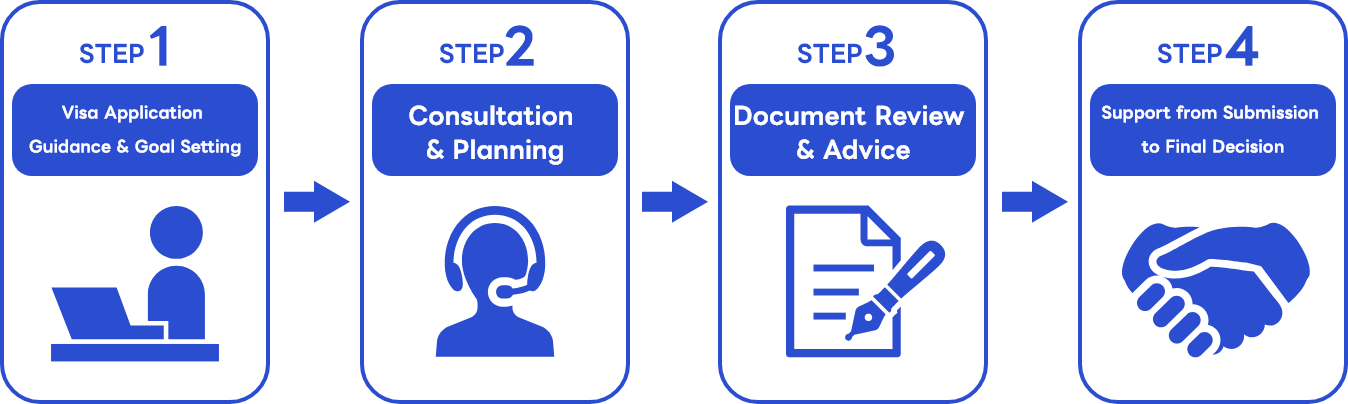
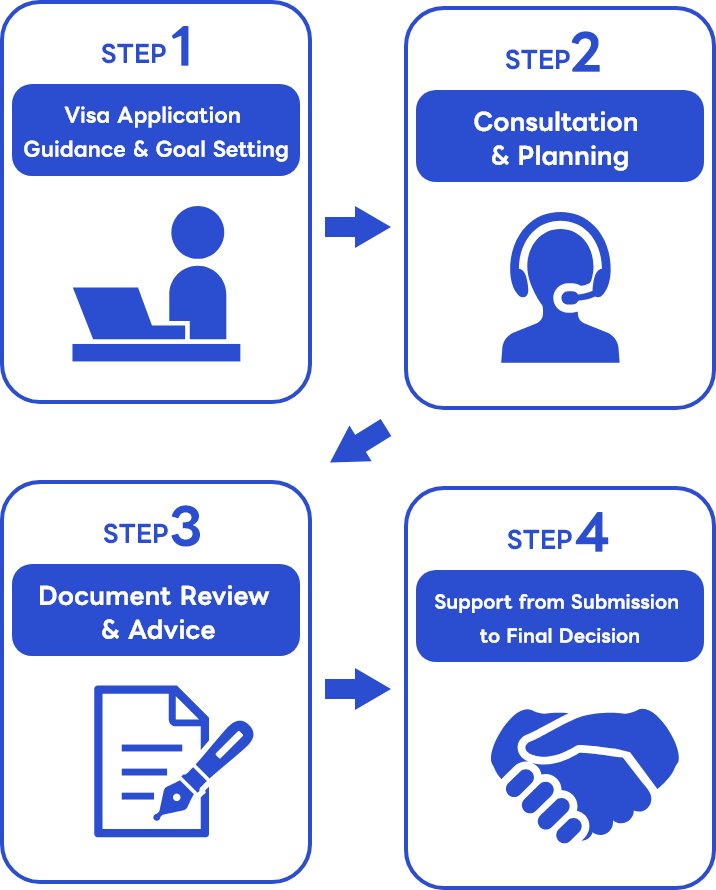
From immigration planning to application submission,
everything is completed with shiraishi Visa JP Canada
Consulting with an immigration consultant makes the process clearer and much smoother. You’ll feel more confident with document submissions and procedures, significantly reducing the risk of mistakes. Take the first step toward your Canadian dream with the guidance of an expert.
Tag list
Popular Rankings

September 24, 2026
Express Entry Jobs for Canadian PR: Easy-to-Start Occupations with No Experience
If you are aiming to fast-track your path to Canadian permanent residence, Express Entry’s category-

September 24, 2026
Stricter Screening for the Significant Benefit Work Permit (C10), Including the Entrepreneur Work Permit| Policy Changes and Application Strategies
On February 24, 2026, IRCC updated its guidelines for the Significant Benefit (C10) category, one of

September 24, 2026
Provincial Nominee Programs to Expand Significantly in 2026
In December 2025, the Government of British Columbia announced its 2026 nomination allocation under

September 24, 2026
PNP and AIP Program Updates: Growing Restrictions Across Canadian Provinces (As of July 2025)
In 2025, several Canadian provinces and territories have introduced new limits and priority criteria