Saskatchewan PNP Sets 2026 Nomination Allocation at 4761
Date Posted:
Last Updated:
The Saskatchewan Immigrant Nominee Program (SINP) has announced that the province’s allocation for 2026 will be 4,761 nominations, the same number as the final allocation for 2025.
To make the most of this allocation, the SINP is introducing several changes: at least 50% of nominations will be reserved for Priority Sectors, up to 25% for Capped Sectors, and the remaining 25% for other sectors.
Priority Sectors for 2026
For 2026, the SINP will reserve 2,381 nominations (50% of the total) for foreign workers in sectors identified as high priority for Saskatchewan’s labor market.
The Priority Sectors include:
- Health care
- Agriculture
- Trades
- Mining
- Manufacturing
- Energy
- Technology
Reserved Nominations for Saskatchewan Graduates
Of these, 750 nominations are specifically reserved for candidates who have graduated from a Saskatchewan Designated Learning Institution (DLI) and are employed in a Priority Sector occupation.
Demand for Priority Sectors may exceed 50% of the total allocation. In that case, the number of nominations available to other sectors would be reduced. Conversely, if demand is below 50%, unused nominations will be redistributed to other sectors.
Candidates in Priority Sectors can apply at any time, without specific intake periods, and there are no restrictions related to the six-month remaining work permit rule. Applications from outside Canada are also eligible.
Capped Sectors for 2026
A maximum of 25% of 2026 nominations will be reserved for Capped Sectors. The allocation for each sector is:
- Accommodation and Food Services (NAICS 72): up to 714 nominations (15%)
- Transportation and Warehousing (NAICS 48–49): up to 238 nominations (5%)
- Retail Trade (NAICS 44–45): up to 238 nominations (5%)
These sectors are the same as those capped in 2025. The provincial government has stated that allocations may be adjusted mid-year depending on labor market conditions.
Application Windows for Capped Sectors
Candidates in Capped Sectors will have six separate application windows throughout the year. Each window is open for only a few days:
- January 6, 2025
- March 2, 2025
- May 4, 2025
- July 6, 2025
- September 7, 2026
- November 2, 2026
To prioritize those at greatest risk of losing their status in Canada, candidates in Capped Sectors must have a remaining work permit validity of six months or less. All applications submitted in these windows will be processed within 2026.
Other Changes Affecting PGWP Holders and Graduates in 2026
The SINP has also announced changes affecting Post-Graduation Work Permit (PGWP) holders and international graduates:
- Student category applicants must have graduated from a Saskatchewan DLI and be employed in a related occupation in the province.
- PGWP holders who graduated from institutions outside Saskatchewan and have six months of work experience in education are ineligible for the Saskatchewan Experience category.
- PGWP holders may only apply under specific sub-categories/streams, including Student, Health Talent, Agriculture Talent, Tech Talent, and International Skilled Worker: Employment Offer.
- Exemptions for restricted occupations under PGWP are removed.
- Some open work permit holders (such as spouses) cannot apply to certain SINP streams, although some exceptions exist if no work permit is required. Additional proof of residence may be requested.
Comparison of 2025 and 2026 SINP Allocations
- In 2025, SINP initially had 3,625 nominations, which increased to 4,761 after a federal government adjustment.
- The 2026 allocation remains the same at 4,761 nominations, though additional allocations may be announced.
- Priority Sectors for 2026 have expanded to include health care, agriculture, trades, mining, manufacturing, energy, and technology.
- Capped Sectors remain the same as 2025, but allocations within each sector may differ.
This article is a summary prepared by Shiraishi Visa JP Canada based on official information from the Government of Saskatchewan, organized for clarity and ease of understanding.
Source: Saskatchewan Immigrant Nominee Program (SINP) – Immigration FAQs (English)
Free Consultations and Inquiries
Feel free to get in touch!



Immigration Consultant
Yuki Shiraishi
Born in Japan. After earning a Bachelor's degree from the University of Michigan, she worked for six years in New York as a marketing consultant at a major travel agency, while also studying in an MBA program at the City University of New York. After returning to Japan, she managed the visa center of the same travel company, handling various international visa applications for foreign clients.
Related Columns

Date Posted:September 24, 2026
How to Check Processing Times and Status for Canadian Visa and PR Applications


Date Posted:September 24, 2026
Canada Immigration Policy Trends 2025 | What Fewer Newcomers Mean for PR

Related News
Looking to obtain permanent residence or a visa?
Consult with us now!

Applying for permanent residence or a visa to Canada on your own can be overwhelming due to the large number of required documents, and you may feel uncertain about whether everything is correct. However, if you're serious about immigrating to Canada, we strongly recommend seeking the support of an immigration consultant. There are many pathways to obtaining permanent residence, depending on factors such as your age, occupation, and family status. With the help of an expert, you can ensure that you plan the right approach tailored to your specific situation.
A professional immigration consultant will help solve your concerns
Get a free Counseling now
From immigration planning to application submission,
everything is completed with shiraishi Visa JP Canada
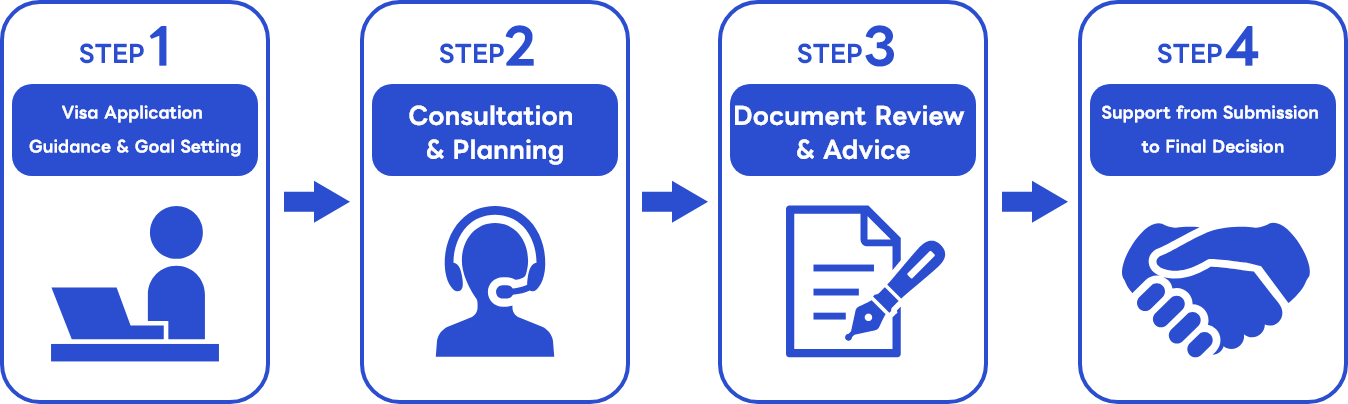
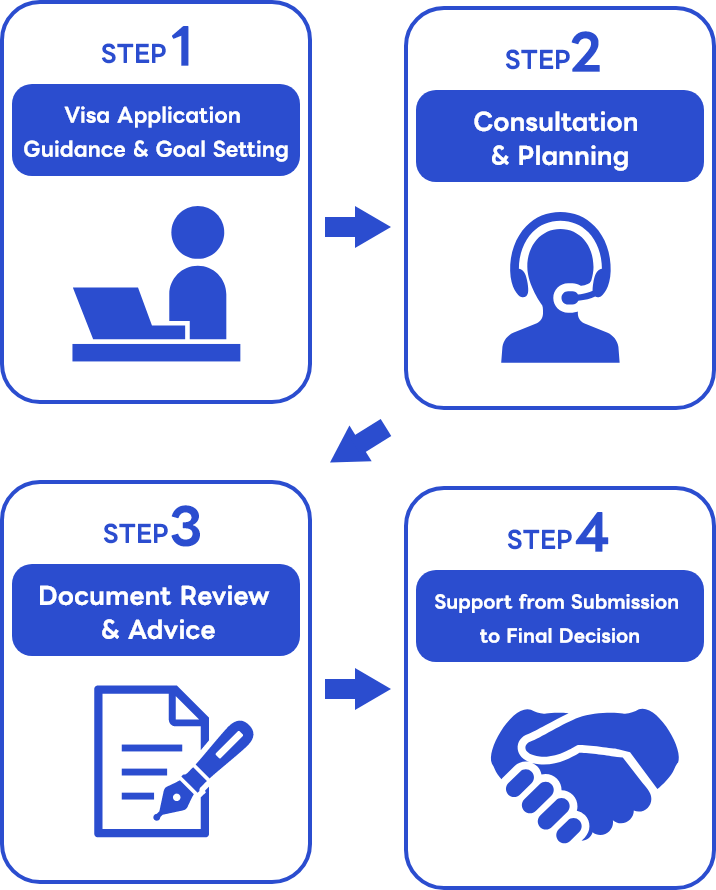
Consulting with an immigration consultant makes the process clearer and much smoother. You’ll feel more confident with document submissions and procedures, significantly reducing the risk of mistakes. Take the first step toward your Canadian dream with the guidance of an expert.