Canada Makes Rural Immigration Pathway Permanent: RCIP to Become a Permanent Residence Program in 2027
Date Posted:
Last Updated:
On November 9, 2026, Immigration, Refugees and Citizenship Canada (IRCC) announced that the Rural Community Immigration Pilot (RCIP) will transition to a permanent immigration pathway to help rural communities address labour shortages.
The permanent pathway will be called the Rural Community Immigration Program. The 14 communities currently participating are expected to continue, with possible expansion to additional communities in the future.
What Does Making RCIP Permanent Mean?
RCIP provides a pathway to permanent residence for foreign nationals who have qualifying job offers from designated employers in participating communities. Launched as a pilot in 2025, it is now being transitioned into a permanent economic immigration program. The 2027–2029 immigration planning framework sets the following annual admission targets for the permanent pathway:
- 2027: 5,500
- 2028: 6,000
- 2029: 6,500
The targets for 2028 and 2029 will be confirmed or adjusted in future annual plans.
The 14 Participating Communities
| Province | Communities |
|---|---|
| Nova Scotia | Pictou County |
| Ontario | North Bay; Sudbury; Timmins; Sault Ste. Marie; Thunder Bay |
| Manitoba | Steinbach; Altona/Rhineland; Brandon |
| Saskatchewan | Moose Jaw |
| Alberta | Claresholm |
| British Columbia | West Kootenay; North Okanagan Shuswap; Peace Liard |
In British Columbia, West Kootenay, North Okanagan Shuswap and Peace Liard are expected to remain eligible. Details and timing of any future community expansion have not yet been announced.
What Are the Requirements for Permanent Residence?
The permanent program will continue to rely on community-identified priority sectors and occupations and recruitment by designated employers. Key requirements include a valid recommendation from the participating community, an eligible job offer, qualifying work experience, education, English or French language proficiency, and settlement funds, where applicable. Applicants must also intend to live and work in the recommending community. Specific requirements and exemptions depend on individual circumstances. For more details, see our Rural Community Immigration Program page.
Simply living in a participating community—or graduating from a school there—does not by itself make someone eligible for permanent residence. A qualifying job offer from a designated employer in a community-prioritized occupation remains essential.
An Alternative for Candidates with Lower Express Entry Scores
Unlike Express Entry, this pathway does not rank candidates by Comprehensive Ranking System (CRS) score. Individuals with lower CRS scores may therefore have an alternative route to permanent residence if they secure qualifying employment that meets a participating community’s labour market priorities and satisfy the remaining criteria. Applicants should verify local priority occupations and employer designation rather than relying on a job’s TEER category alone.
Transition Timeline for 2027
According to transitional provisions published in the Canada Gazette, recommendations under the existing pilot are expected to be finalized by December 31, 2026. Beginning January 1, 2027, allocations may be made to participating communities under the permanent program, allowing recommendations to begin under the new framework. The existing Ministerial Instructions are expected to remain in effect until June 30, 2027, so that individuals recommended under the pilot can submit permanent residence applications.
For Those Considering Work or Study in Rural Canada
Permanent status for the program makes rural employment a more predictable long-term immigration option. However, each community’s priority occupations, designated employers and recommendation allocations may change. It is important to review current requirements before choosing a school, employer or community. Certain international graduates may qualify for an exemption from the work experience requirement, but graduation alone does not guarantee eligibility for permanent residence.
Conclusion
Making RCIP permanent is an important development for foreign nationals seeking to work and settle in rural Canada. Those exploring permanent residence pathways outside Express Entry should monitor participating communities, priority occupations and designated employers. Shiraishi Visa JP Canada can assess potential immigration options based on your employment history, education, language ability and current immigration status.
This article is a summary prepared by Shiraishi Visa JP Canada based on official information from the Government of Canada, organized for clarity and ease of understanding.
Source: Canada creates a permanent immigration pathway to help rural communities attract and retain talent
Source: Overview of the Rural Community Immigration Program
Source: Regulations Amending the Immigration and Refugee Protection Regulations (Rural Community Immigration): SOR/2026-217
Free Consultations and Inquiries
Feel free to get in touch!



Immigration Consultant
Yuki Shiraishi
Born in Japan. After earning a Bachelor's degree from the University of Michigan, she worked for six years in New York as a marketing consultant at a major travel agency, while also studying in an MBA program at the City University of New York. After returning to Japan, she managed the visa center of the same travel company, handling various international visa applications for foreign clients.
Related Columns

Date Posted:September 24, 2026
How to Check Processing Times and Status for Canadian Visa and PR Applications

Date Posted:September 24, 2026
Canada Immigration Policy Trends 2025 | What Fewer Newcomers Mean for PR
Related News
Looking to obtain permanent residence or a visa?
Consult with us now!

Applying for permanent residence or a visa to Canada on your own can be overwhelming due to the large number of required documents, and you may feel uncertain about whether everything is correct. However, if you're serious about immigrating to Canada, we strongly recommend seeking the support of an immigration consultant. There are many pathways to obtaining permanent residence, depending on factors such as your age, occupation, and family status. With the help of an expert, you can ensure that you plan the right approach tailored to your specific situation.
A professional immigration consultant will help solve your concerns
Get a free Counseling now
From immigration planning to application submission,
everything is completed with shiraishi Visa JP Canada
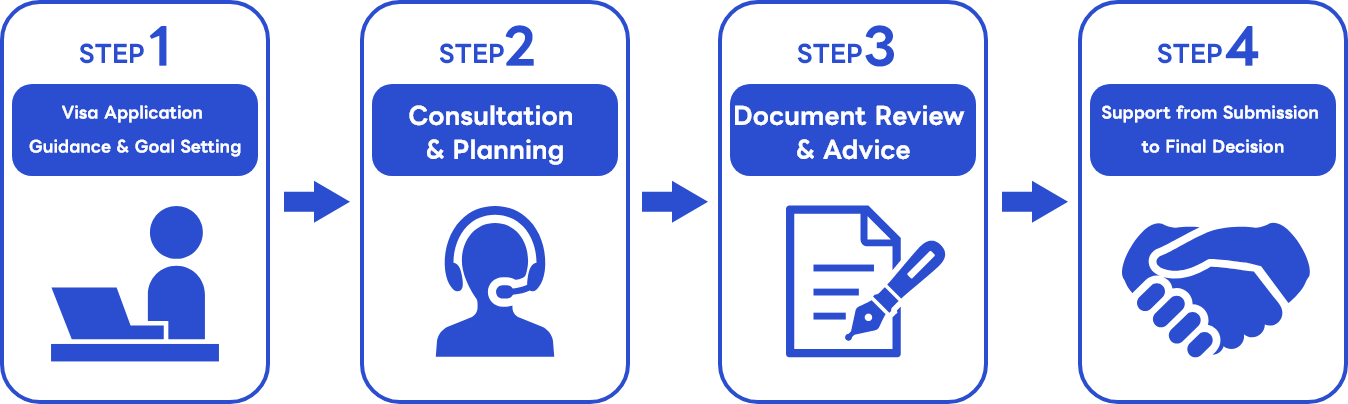
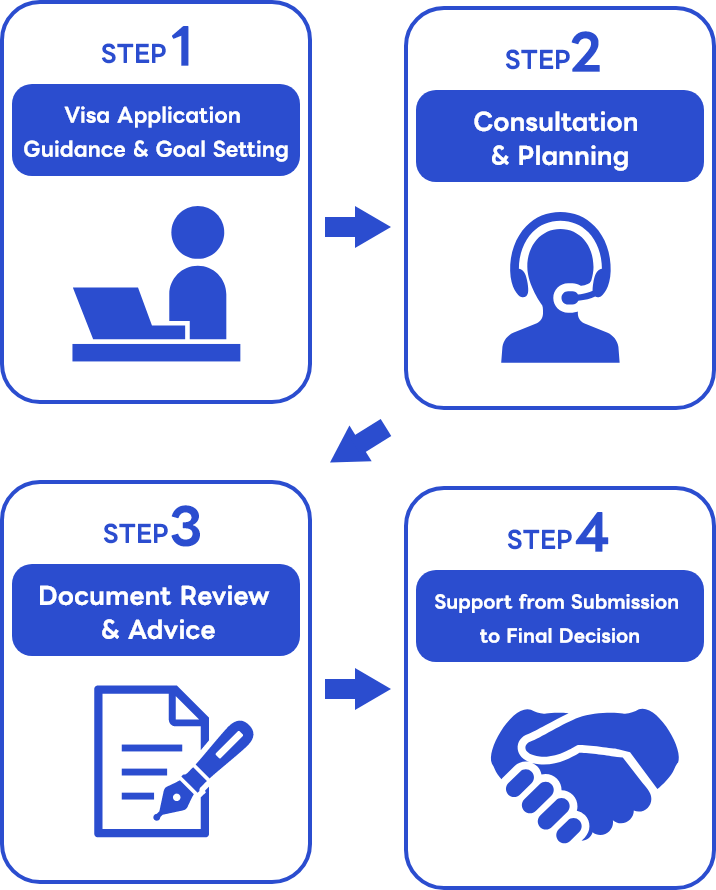
Consulting with an immigration consultant makes the process clearer and much smoother. You’ll feel more confident with document submissions and procedures, significantly reducing the risk of mistakes. Take the first step toward your Canadian dream with the guidance of an expert.