

Canadian Etiquette: How to Address People by Name in Canada
Date Posted:September 24, 2026
Last Updated:September 24, 2026

In Japan, we usually address people we are meeting for the first time, people older than us, and our bosses at work as “[surname]-san.” So what about in Canada?
Most Canadians’ names consist of a first name, a middle name and a last name. Here is some etiquette on how to address people without being rude.
In Japan, I think we usually address people we are meeting for the first time, people older than us, or our bosses at work as “[surname]-san”…
So what about in Canada…?
Most Canadians’ names are generally written as first name (given name) + middle name + last name (surname).
People usually start calling each other by their first names at an early stage, but at first, to show respect, please address the person with an appropriate title (such as Dr.) or a courtesy title such as Ms., Mrs., Miss or Mr., followed by their surname. (Apparently, when addressing French-speaking Canadians, you use “Monsieur” or “Madame” before the surname instead of Mr. or Mrs.)
It is said to be safer to use forms of address with Mr., Mrs. and so on until the other person invites you to call them something else (such as their first name or a nickname).
If you do not know whether a woman is married, start by addressing her with “Ms.” (pronounced “miz”) before her surname.
(If she does not like being called Ms., she will tell you so and let you know how she would like to be addressed, so please follow her wishes.)
It seems there are many things to be careful about, especially when addressing women.
At language schools and elsewhere, you will often be asked to call your instructors by name rather than “Teacher.”
Hearing bosses and staff call each other by their first names at work may feel a little strange at first, but that is the culture here, so it is not rude. Don’t worry!
Free Consultations and Inquiries
Feel free to get in touch!



Immigration Consultant
Yuki Shiraishi
Born in Japan. After earning a Bachelor's degree from the University of Michigan, she worked for six years in New York as a marketing consultant at a major travel agency, while also studying in an MBA program at the City University of New York. After returning to Japan, she managed the visa center of the same travel company, handling various international visa applications for foreign clients.
Related Columns



Related News
Looking to obtain permanent residence or a visa?
Consult with us now!

Applying for permanent residence or a visa to Canada on your own can be overwhelming due to the large number of required documents, and you may feel uncertain about whether everything is correct. However, if you're serious about immigrating to Canada, we strongly recommend seeking the support of an immigration consultant. There are many pathways to obtaining permanent residence, depending on factors such as your age, occupation, and family status. With the help of an expert, you can ensure that you plan the right approach tailored to your specific situation.
A professional immigration consultant will help solve your concerns
Get a free Counseling now
From immigration planning to application submission,
everything is completed with shiraishi Visa JP Canada
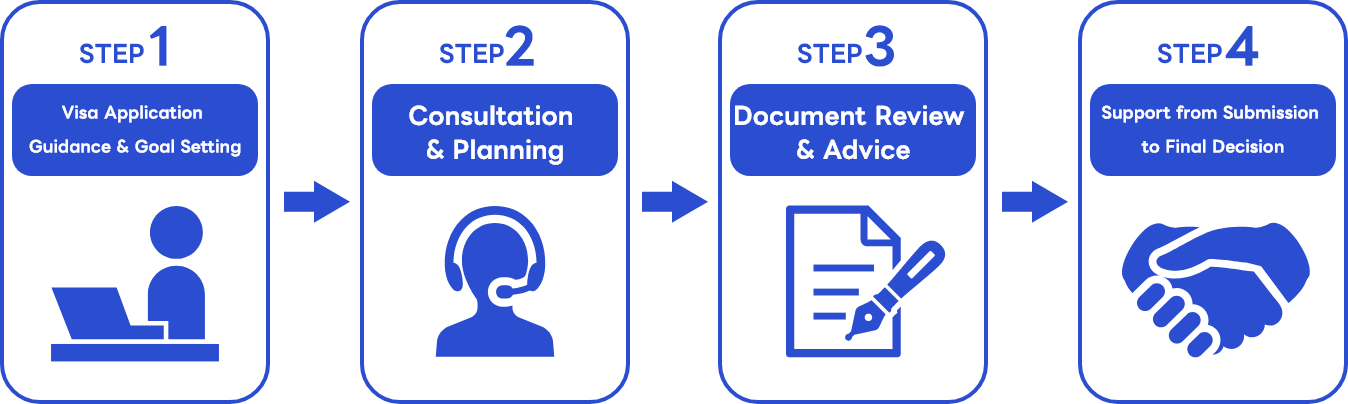
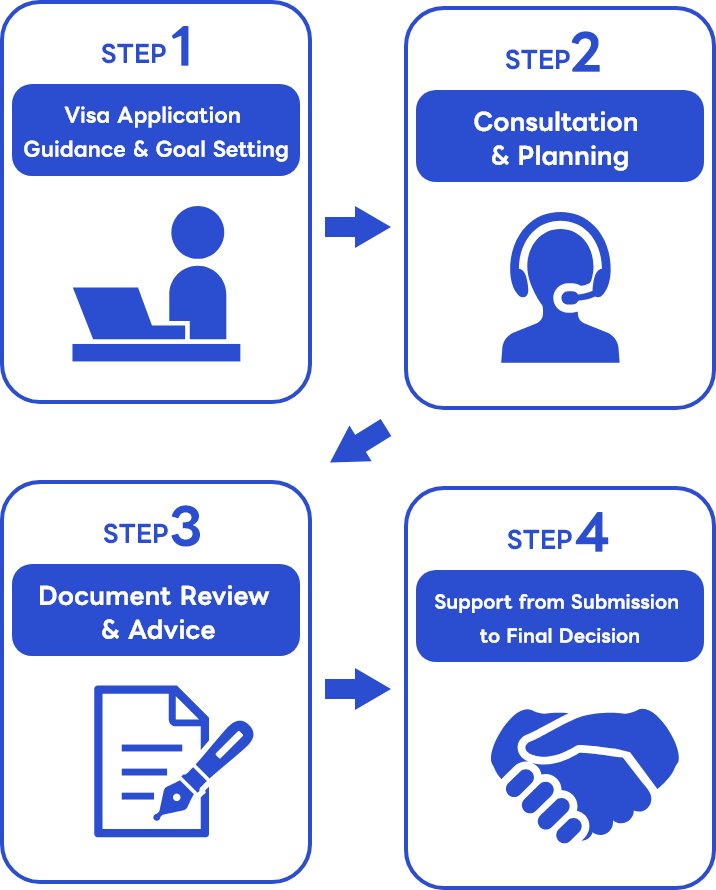
Consulting with an immigration consultant makes the process clearer and much smoother. You’ll feel more confident with document submissions and procedures, significantly reducing the risk of mistakes. Take the first step toward your Canadian dream with the guidance of an expert.
Tag list
Popular Rankings

September 24, 2026
Express Entry Jobs for Canadian PR: Easy-to-Start Occupations with No Experience
If you are aiming to fast-track your path to Canadian permanent residence, Express Entry’s category-

September 24, 2026
Provincial Nominee Programs to Expand Significantly in 2026
In December 2025, the Government of British Columbia announced its 2026 nomination allocation under

September 24, 2026
Stricter Screening for the Significant Benefit Work Permit (C10), Including the Entrepreneur Work Permit| Policy Changes and Application Strategies
On February 24, 2026, IRCC updated its guidelines for the Significant Benefit (C10) category, one of

September 24, 2026
PNP and AIP Program Updates: Growing Restrictions Across Canadian Provinces (As of July 2025)
In 2025, several Canadian provinces and territories have introduced new limits and priority criteria