2026 Canada Working Holiday Pool Nears 4,000 | What Japanese Applicants Need to Know
Date Posted:September 24, 2026
Last Updated:September 24, 2026

For Japanese citizens applying for the 2026 Canada Working Holiday visa, the number of people registered in the pool reached about 4,000 as of January 30. This is an unusually high number of applications just one month after the pool opened.
The annual quota is usually around 6,500 people, and with the number of spots and the start date of invitations still unannounced, only the number of registrants is surging, an unprecedented situation.
Why the 2026 Canada Working Holiday Pool Is Filling Up So Quickly
There appear to be several clear reasons behind the sudden growth of the 2026 Canada Working Holiday pool.
1. LMIA Work Permits Have Become Harder to Obtain
One factor is that obtaining a work permit that requires an LMIA has become noticeably more difficult than before. In recent years, LMIA application screening standards have become stricter and processing times longer, and the procedures and burden placed on employers have also grown.
As a result, the number of employers able to offer visa support has fallen significantly.
2. The Working Holiday Can Now Be Used Twice
Since 2025, Japanese citizens have been able to participate in Canada’s Working Holiday program up to twice in their lifetime. It is likely that the pool includes not only people who are seriously planning to go this year, but also a large number of people who simply want to keep the option open. As a result, we expect that people like the following are considering coming to Canada:
- “I used it once before, but I only recently found out I can go again.”
- “I’ll just enter the pool for now, as insurance for the future.”
- “I came to Canada on my first Working Holiday, but I’d like to extend for another year.”
3. “Two Years of Open Work” Is Attracting Attention
Canada’s Working Holiday is a very generous program by North American standards, offering an open work permit* and a stay of up to two years. At a time when work visas for the United States are very difficult to obtain and many European countries impose strict age and occupation restrictions, the attractive combination of “English-speaking country × able to work × two years” has spread rapidly among Japanese people already on a Working Holiday in Canada and through social media.
*A work permit that allows you to work freely in Canada without being tied to a specific employer or occupation
4. Co-op Programs Have Become Harder, Pushing People Toward the Working Holiday
Because of policy changes over the past few years, significant limits have been placed on the number of PALs (provincial attestation letters) required for study permit applications, making it realistically difficult to enroll in private language schools and career colleges, especially Co-op programs (Co-op study). As a result, we believe the following trend is occurring:
People who originally planned on “language school → Co-op study → work or Working Holiday” give up on enrolling because private colleges do not hold enough PALs, and choose the Working Holiday as an alternative.
In other words, the current increase in Working Holiday applicants is not simply a rise in the program’s popularity. It also appears to reflect people turning to the Working Holiday as a “fallback” after the PAL shortage narrowed their other options.
What Shiraishi Visa JP Canada Wants You to Know Now
This year, the Working Holiday quota may fill up faster than usual.
If you are considering applying, it is important not to wait and see, but to register in the pool early and get your travel plans in order.
In addition, by considering other ways to come to Canada in advance, such as a study permit, in case you are unable to obtain a Working Holiday, you can broaden your options for coming to Canada and for permanent residence (PR).
If you have any doubts or concerns, contact Shiraishi Visa JP Canada early and make sure you have a realistic plan that suits you.
Free Consultations and Inquiries
Feel free to get in touch!



Immigration Consultant
Yuki Shiraishi
Born in Japan. After earning a Bachelor's degree from the University of Michigan, she worked for six years in New York as a marketing consultant at a major travel agency, while also studying in an MBA program at the City University of New York. After returning to Japan, she managed the visa center of the same travel company, handling various international visa applications for foreign clients.
Related Columns




Related News
Looking to obtain permanent residence or a visa?
Consult with us now!

Applying for permanent residence or a visa to Canada on your own can be overwhelming due to the large number of required documents, and you may feel uncertain about whether everything is correct. However, if you're serious about immigrating to Canada, we strongly recommend seeking the support of an immigration consultant. There are many pathways to obtaining permanent residence, depending on factors such as your age, occupation, and family status. With the help of an expert, you can ensure that you plan the right approach tailored to your specific situation.
A professional immigration consultant will help solve your concerns
Get a free Counseling now
From immigration planning to application submission,
everything is completed with shiraishi Visa JP Canada
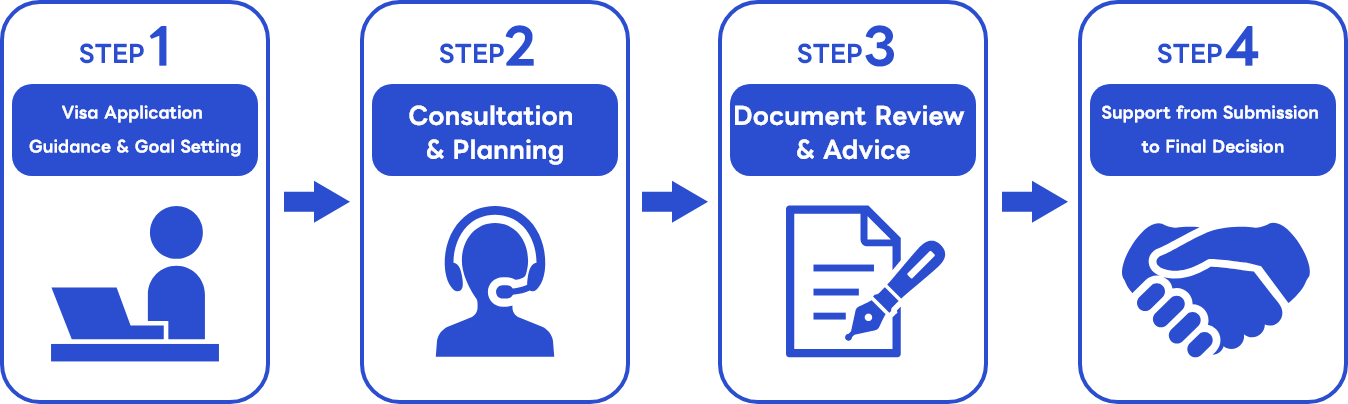
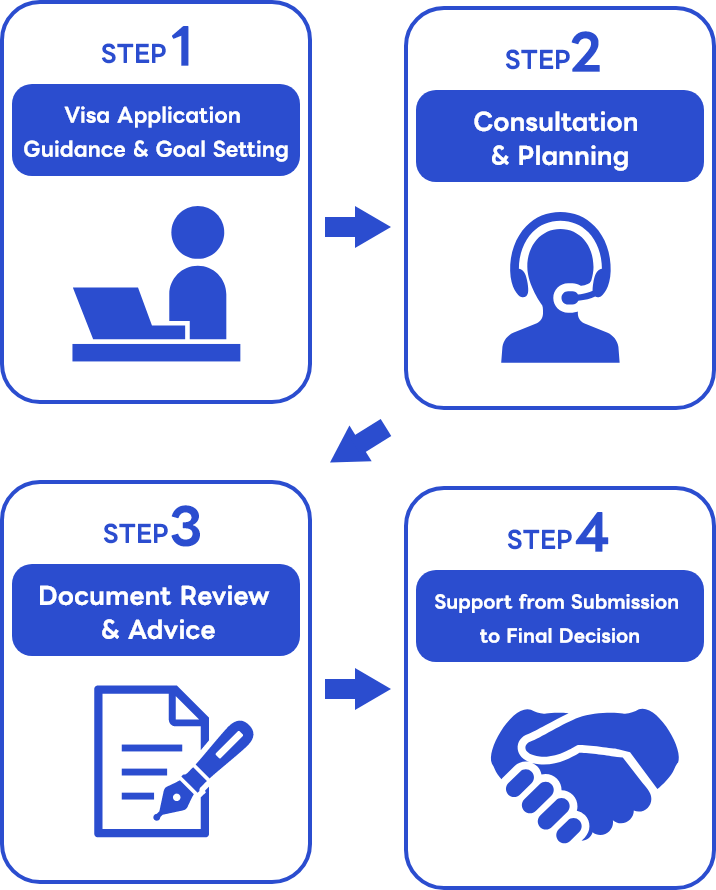
Consulting with an immigration consultant makes the process clearer and much smoother. You’ll feel more confident with document submissions and procedures, significantly reducing the risk of mistakes. Take the first step toward your Canadian dream with the guidance of an expert.
Tag list
Popular Rankings

September 24, 2026
Express Entry Jobs for Canadian PR: Easy-to-Start Occupations with No Experience
If you are aiming to fast-track your path to Canadian permanent residence, Express Entry’s category-

September 24, 2026
Stricter Screening for the Significant Benefit Work Permit (C10), Including the Entrepreneur Work Permit| Policy Changes and Application Strategies
On February 24, 2026, IRCC updated its guidelines for the Significant Benefit (C10) category, one of

September 24, 2026
Provincial Nominee Programs to Expand Significantly in 2026
In December 2025, the Government of British Columbia announced its 2026 nomination allocation under

September 24, 2026
PNP and AIP Program Updates: Growing Restrictions Across Canadian Provinces (As of July 2025)
In 2025, several Canadian provinces and territories have introduced new limits and priority criteria